About Robert Fisher
A technical operator for systems that are too expensive, too complex, or too risky to get wrong.
Robert is a systems technologist and owner-side technical leader whose work spans engineering, controls, validation, product architecture, and governed AI in environments where decisions are expensive to get wrong.
Robert Fisher is brought in when complex technical, operational, and AI-related decisions need stronger owner-side judgment before execution, capital, or trust moves too far.
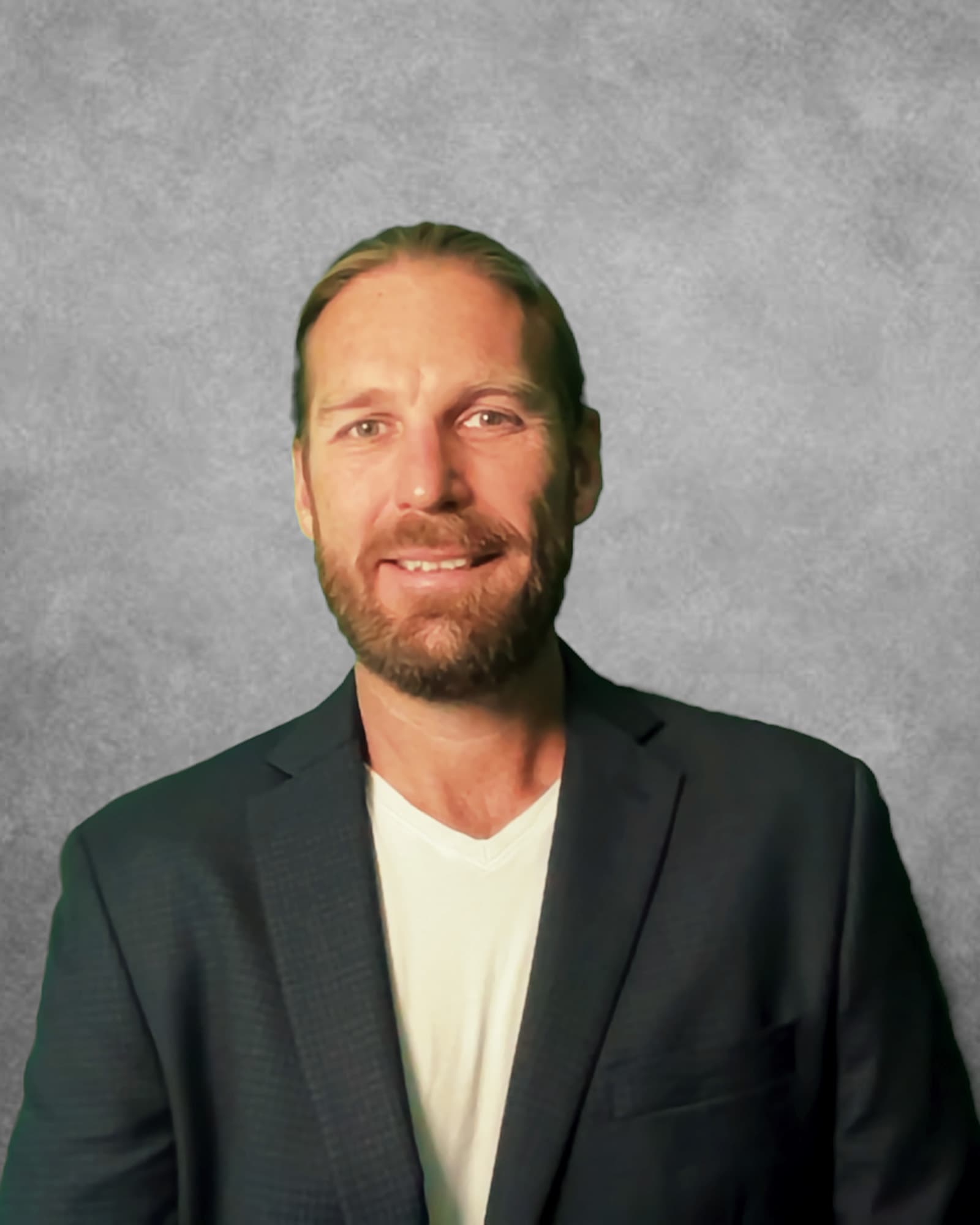
Robert Fisher
Owner-side technical leadership, engineering judgment, and AI governance for complex systems under real operating constraints.
Background
Technical breadth grounded in field reality.
Breadth across engineering, controls, validation, and execution.
His background spans greenhouse and glasshouse engineering, HVACD and building systems, controls architecture and commissioning, product and platform development, testing, validation, and performance engineering, and technical leadership in complex, high-risk environments. That breadth is part of the value: it allows him to step into unfamiliar or cross-disciplinary systems quickly and understand what actually matters. It includes serving as Director of Technology & Engineering at Ceres Greenhouse Solutions.
A major part of Robert's value is not just technical judgment, but building and aligning the teams around the work. That includes defining roles, setting standards, improving decision cadence, and creating the structure that allows execution to scale cleanly.
Robert does not only understand how systems are designed. He understands how they are tested, how they behave in the field, where they fail, and what it takes to make them hold up under real operating conditions.
The common thread is always the same: bring clarity early, reduce costly rework, align people around the real system, and make sure the work can perform beyond the concept stage.
A growing portion of Robert's independent technical work is also focused on AnyMDL, which he is building with Robert Fisher II. In that venture, Robert leads system architecture as CTO while Robert Fisher II leads the business and market side. The work is centered on governed AI execution infrastructure for environments where outputs must be authorized, traceable, and defensible before they can be relied on in practice.
This is why he is often most valuable on the owner's side of the table. He helps leadership teams, operators, and owners protect themselves from expensive technical mistakes, clarify the real path forward, and bring stronger structure to systems that span many disciplines and vendors.
The clearest routes out of this background are owner-side technical leadership, AI governance for high-risk systems, and the broader services page.
Operating principles
The through-line is owner-side clarity, stronger structure, and systems that survive contact with reality.
Robert's contribution is rarely more noise. It is better judgment, cleaner execution, and stronger technical control where the path is unclear.
Whole-system thinking
Robert looks across envelope, HVACD, controls, process, commissioning, and operations as one integrated system rather than optimizing one discipline in isolation.
Execution discipline
He brings structure, decision clarity, and technical accountability to programs where ambiguity and cost can otherwise spiral.
Scalable delivery
He turns one-off effort into stronger standards, documentation, handoff, and team structure that support repeatable execution.
Domains
Breadth that allows him to connect technical decisions across the full program.
That breadth is part of the value. It helps Robert protect the owner's interests where many specialists touch the work but no one is carrying the whole system.
Controlled environment agriculture
Greenhouse and glasshouse systems
HVACD and building systems
Controls architecture and commissioning
Product and platform development
Technical leadership and execution
Governed AI systems
Available for remote, hybrid, and on-site engagements worldwide.
Start a conversation
Start a conversation before committing to a technical direction.
If the work is complex, expensive, or already carrying execution risk, this is the right point to bring Robert in.